Bestseller13th-century styling
LongswordsNew
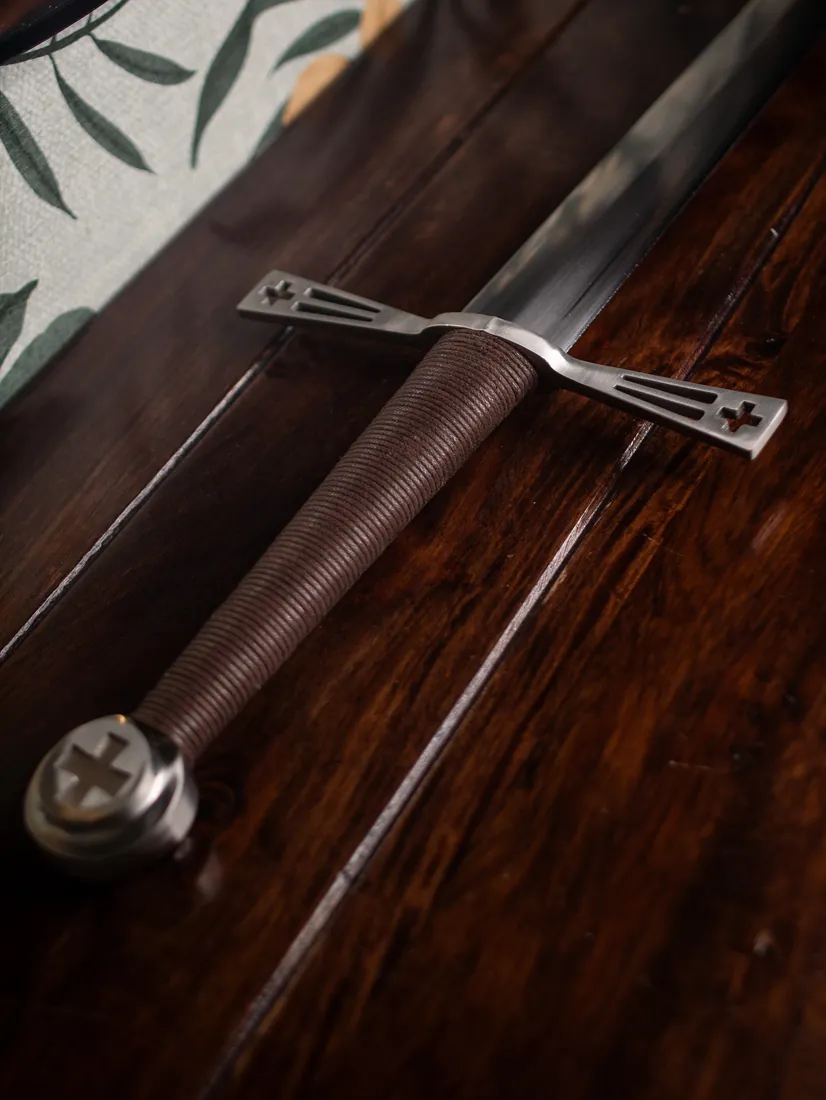
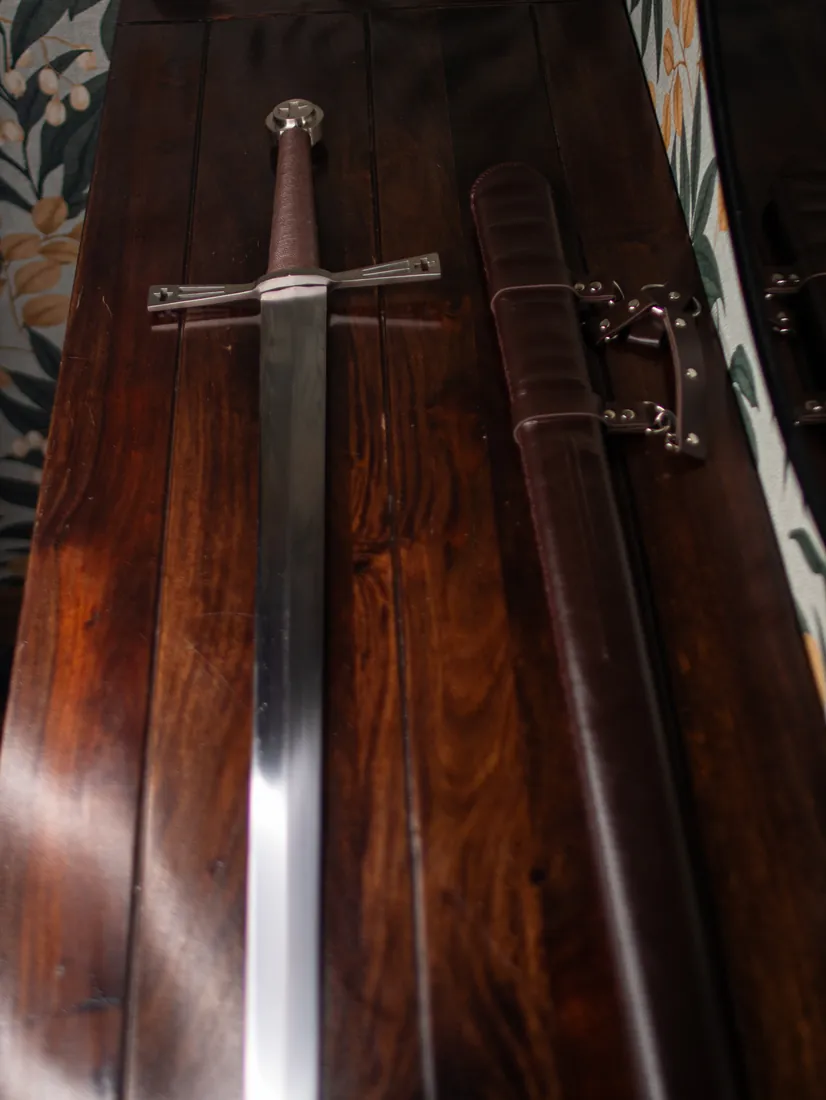
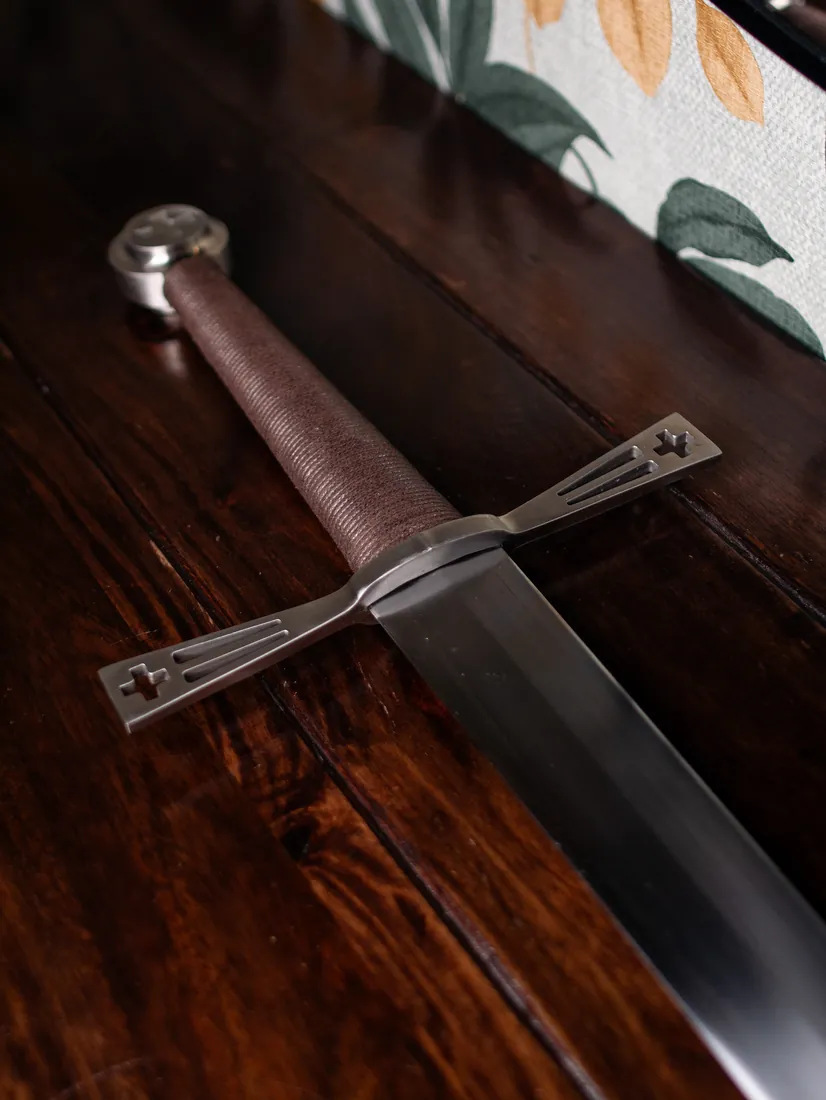
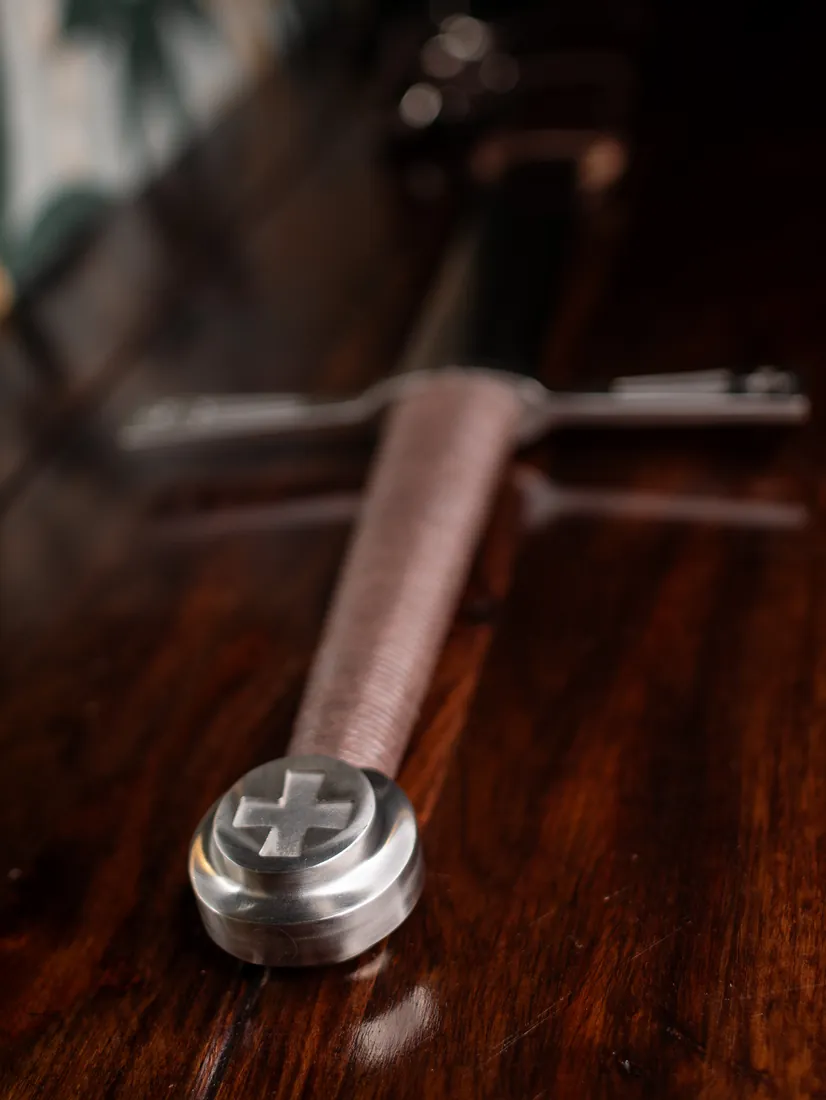
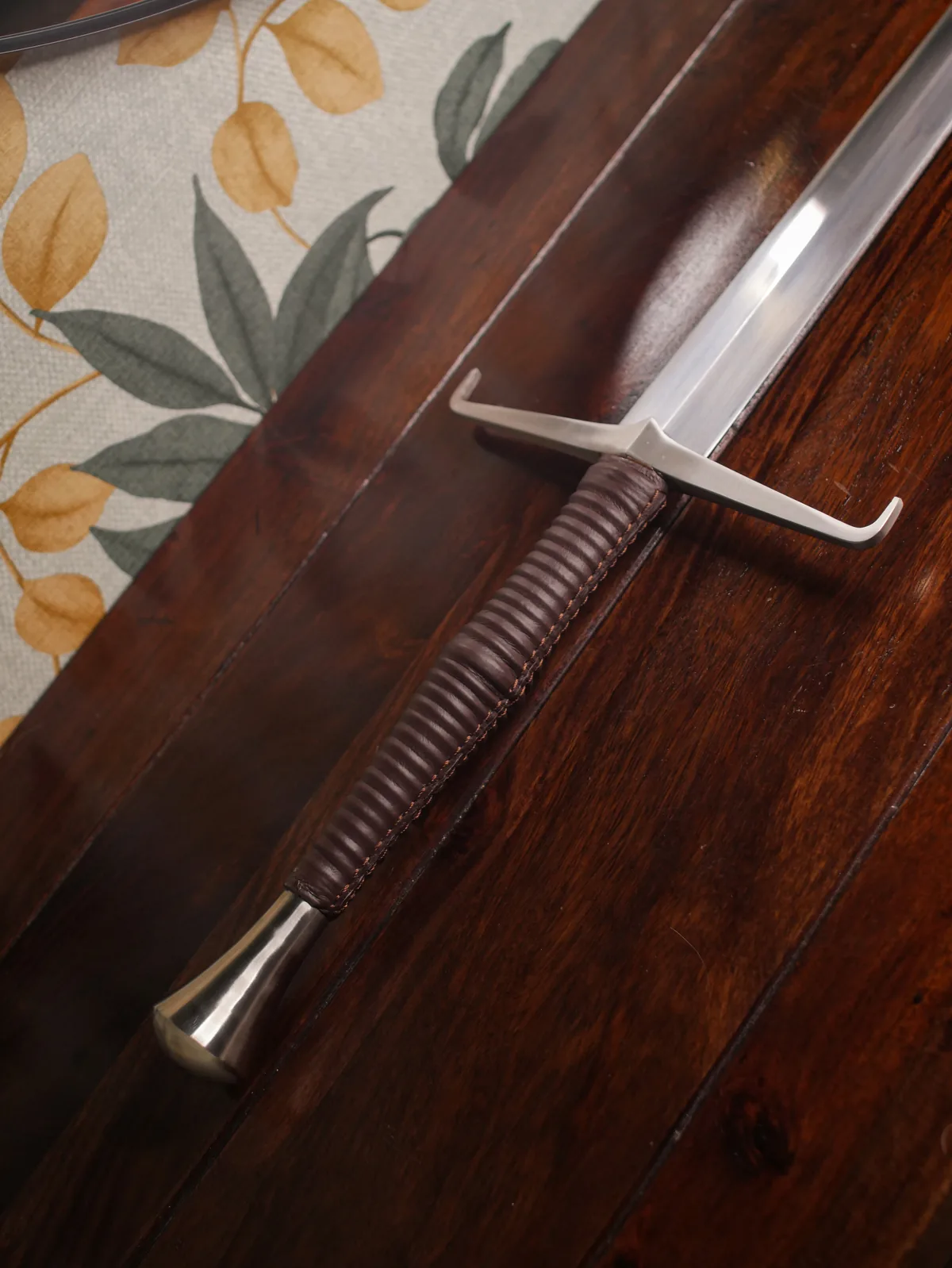
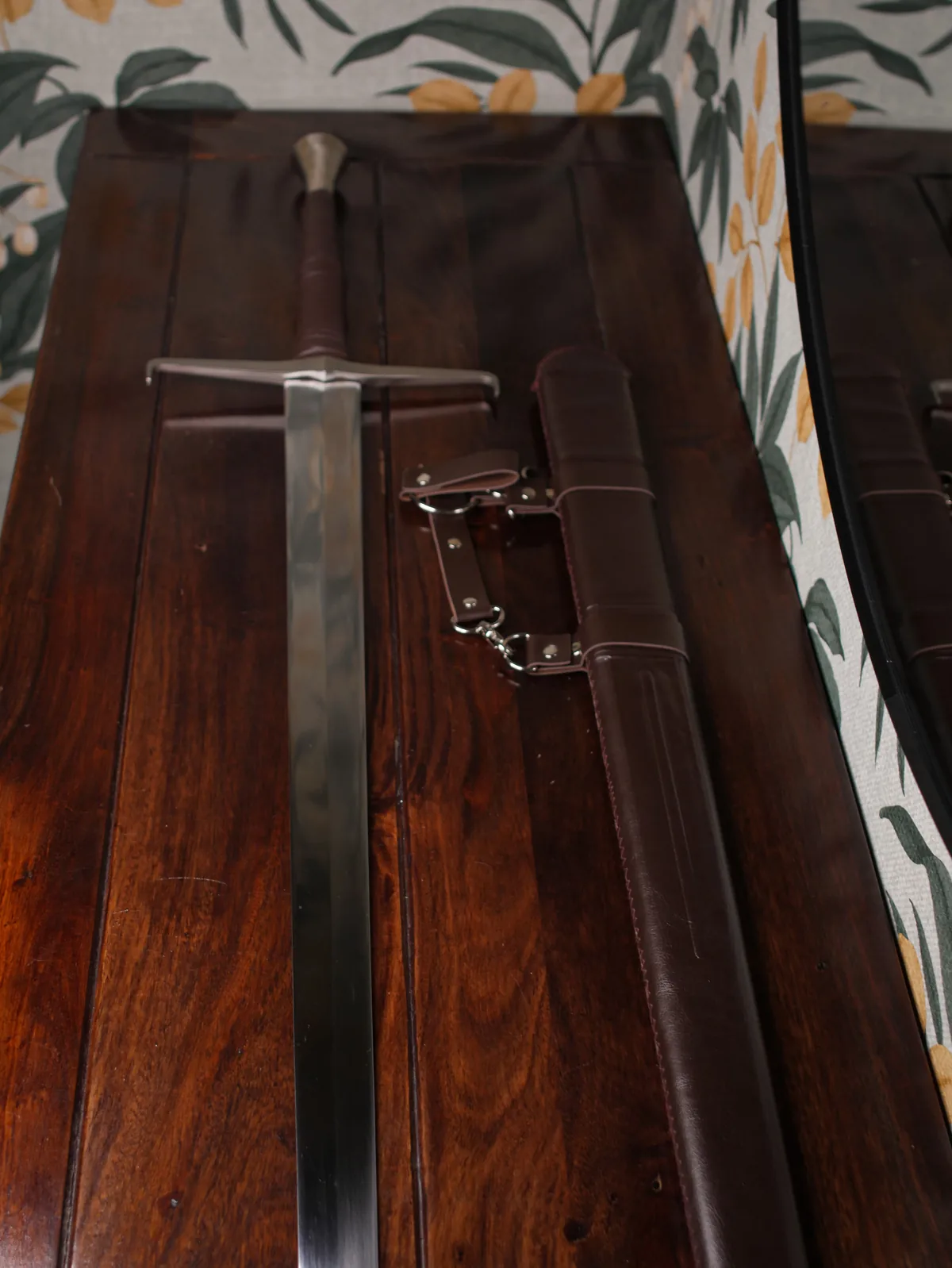
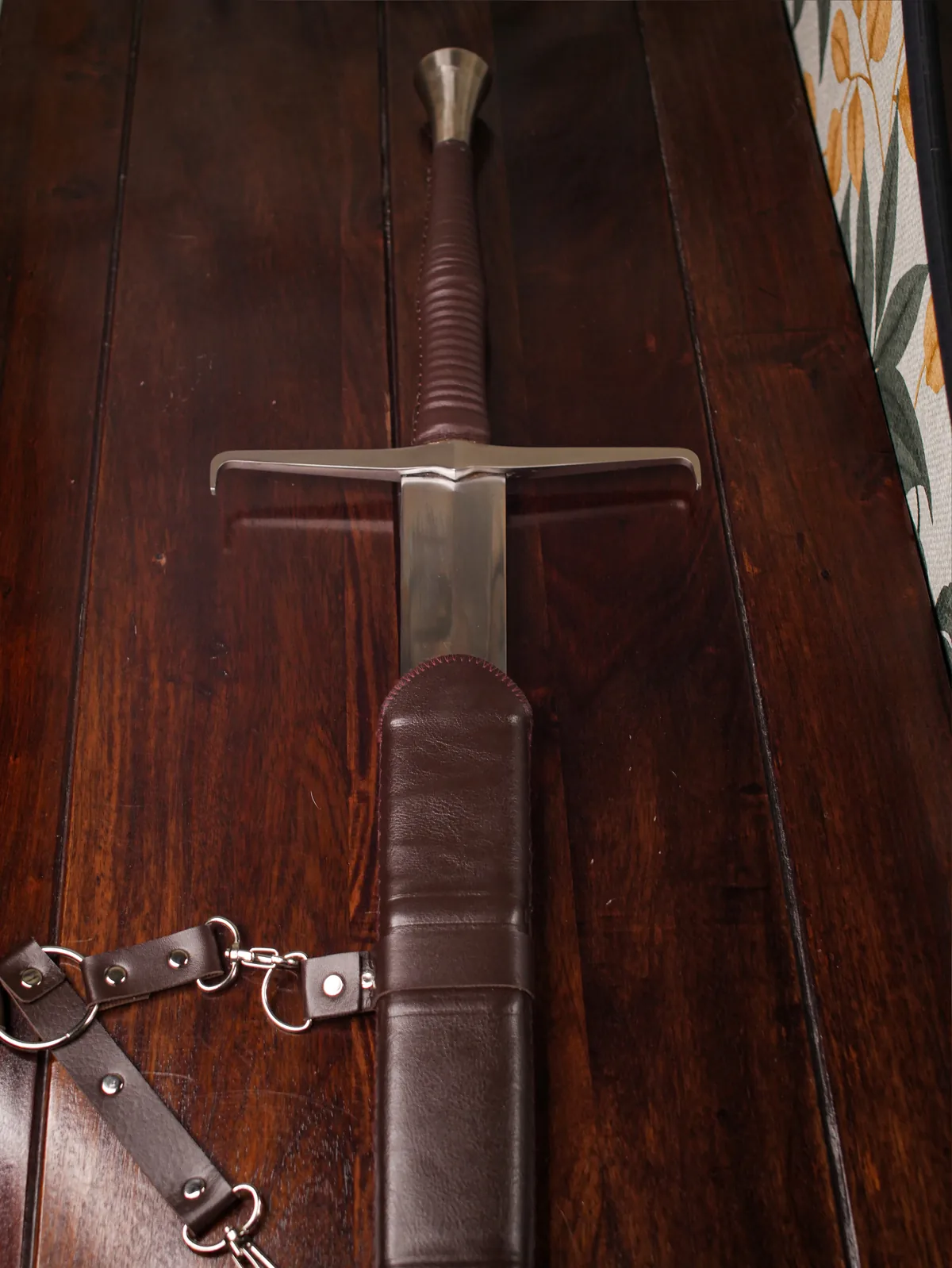
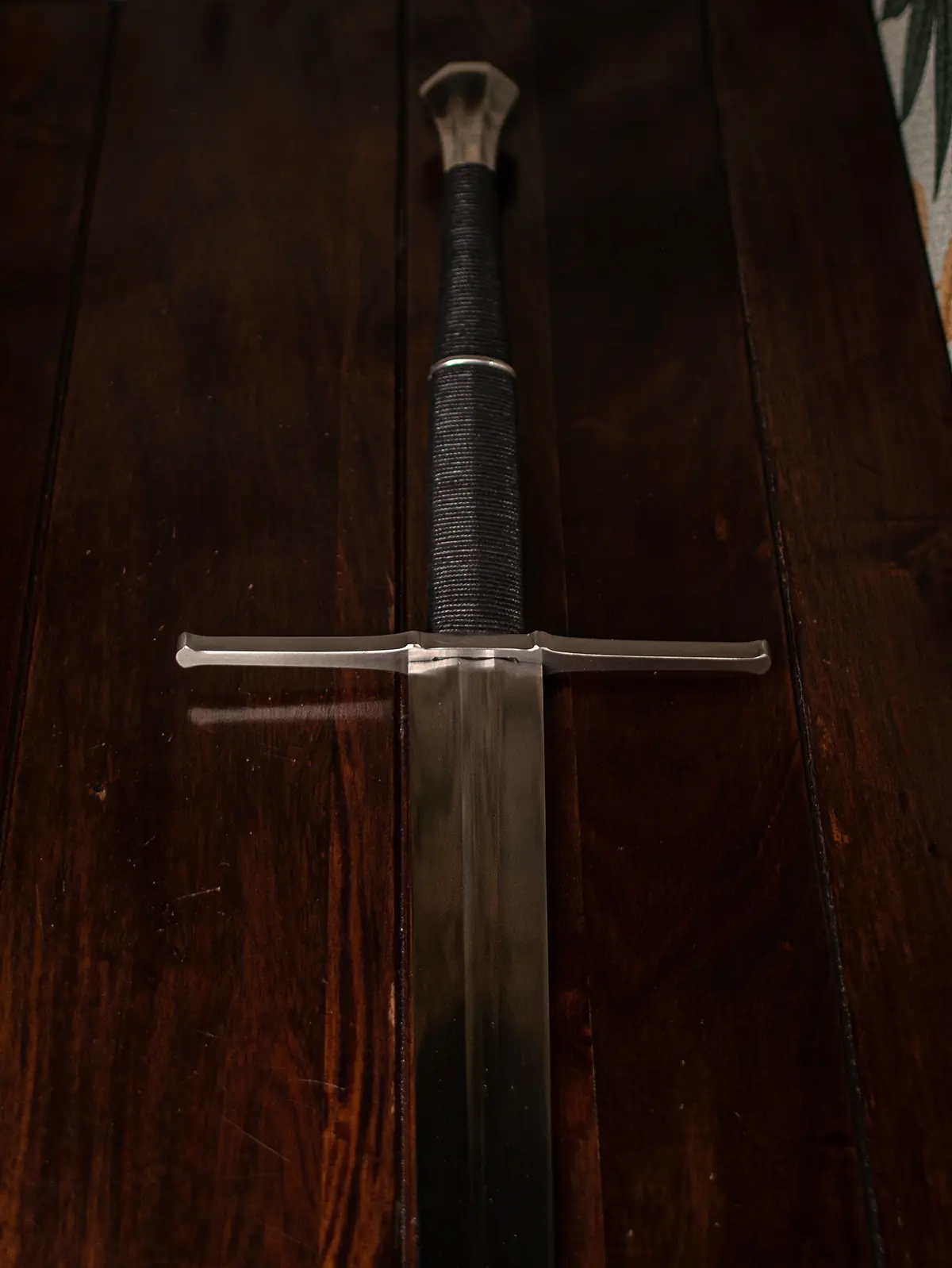
Templar Longsword “Baldwin”
Hand-and-a-half sword, sharp 9260 blade, scabbard included
Length122 cm
Weight1.75 kg
ScabbardIncluded
The armoury
The longsword, also called the bastard sword or hand-and-a-half sword: a grip long enough to add the second hand, a blade of 85–100 cm. The sword that dominated the 15th century.
Hand-and-a-half sword, sharp 9260 blade, scabbard included
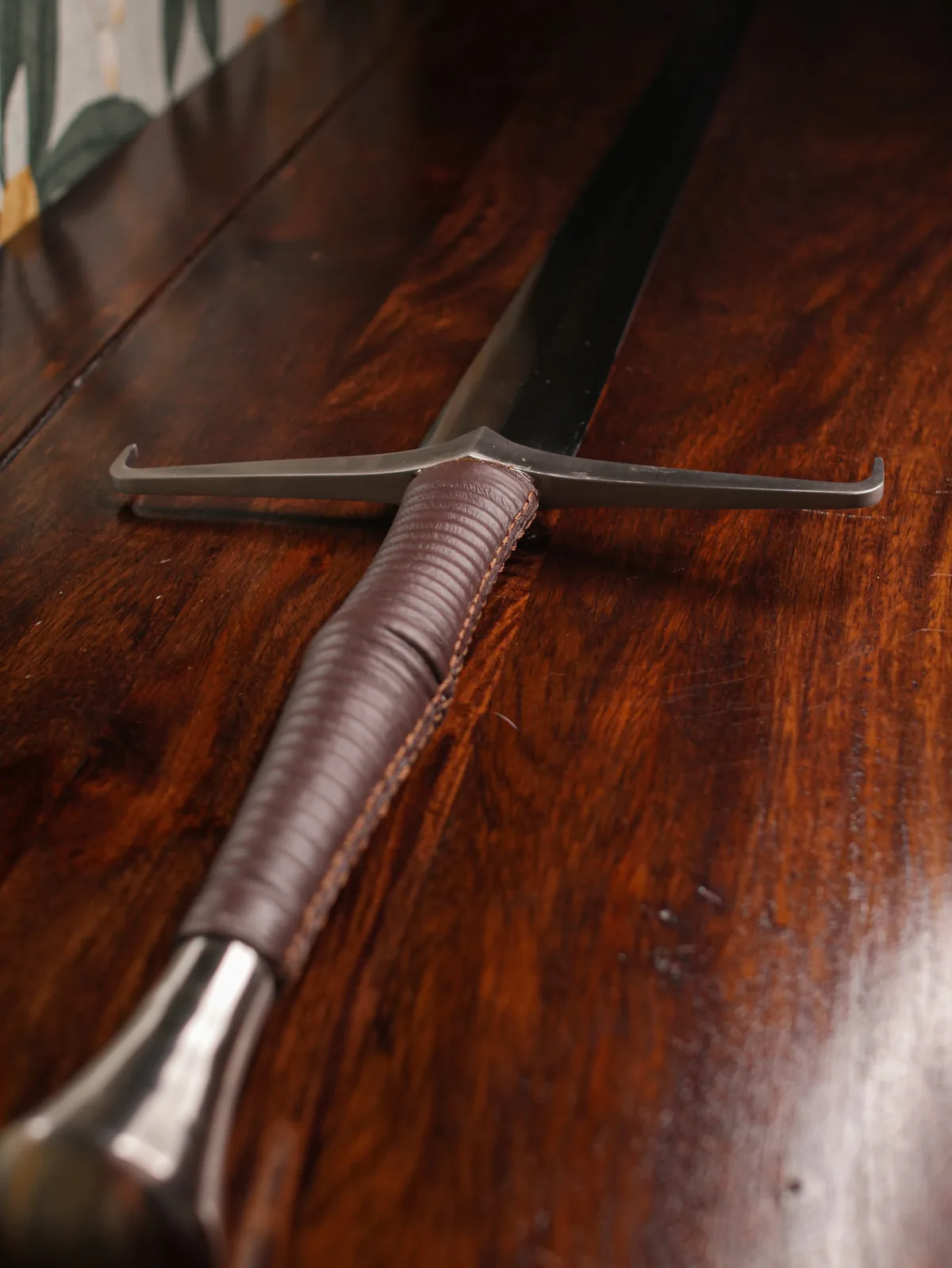
Hand-and-a-half sword, sharp 1060 blade, scabbard included
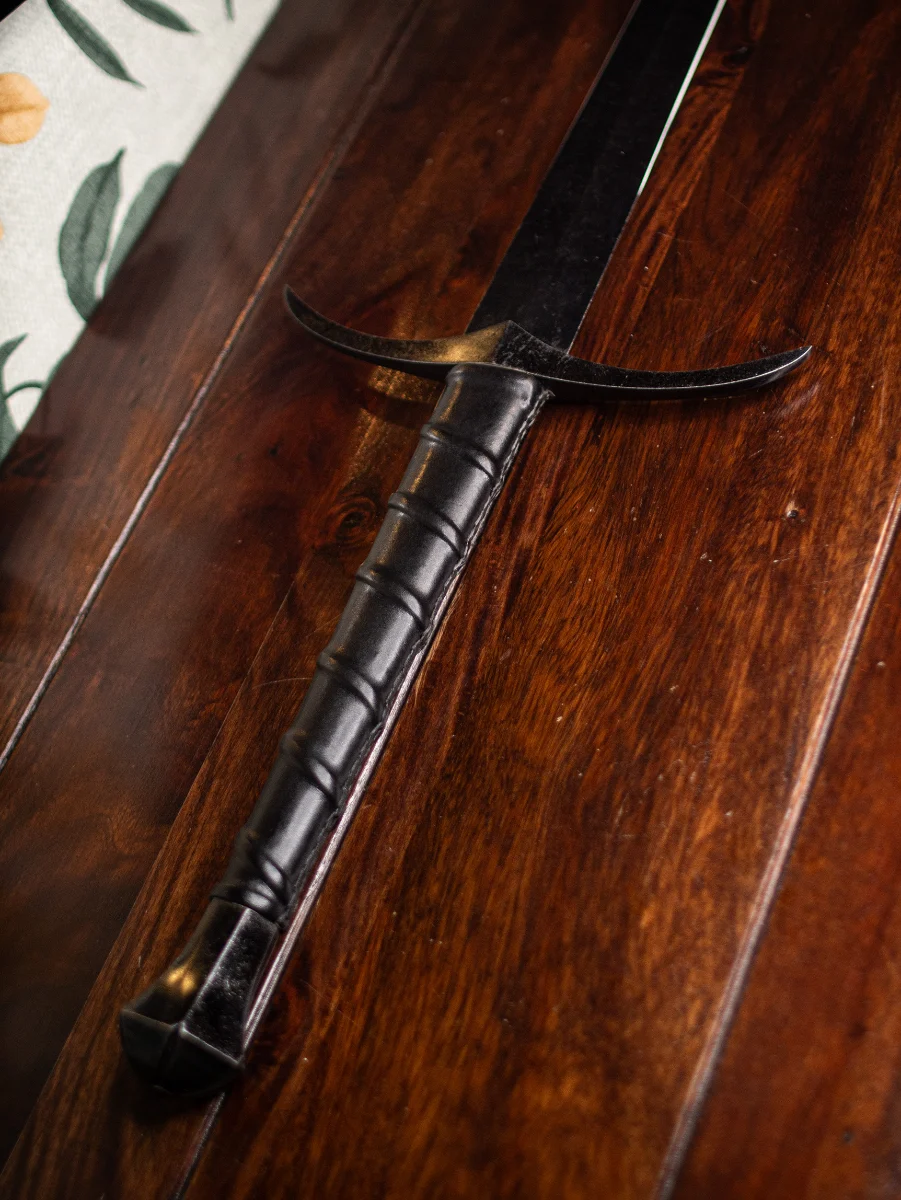
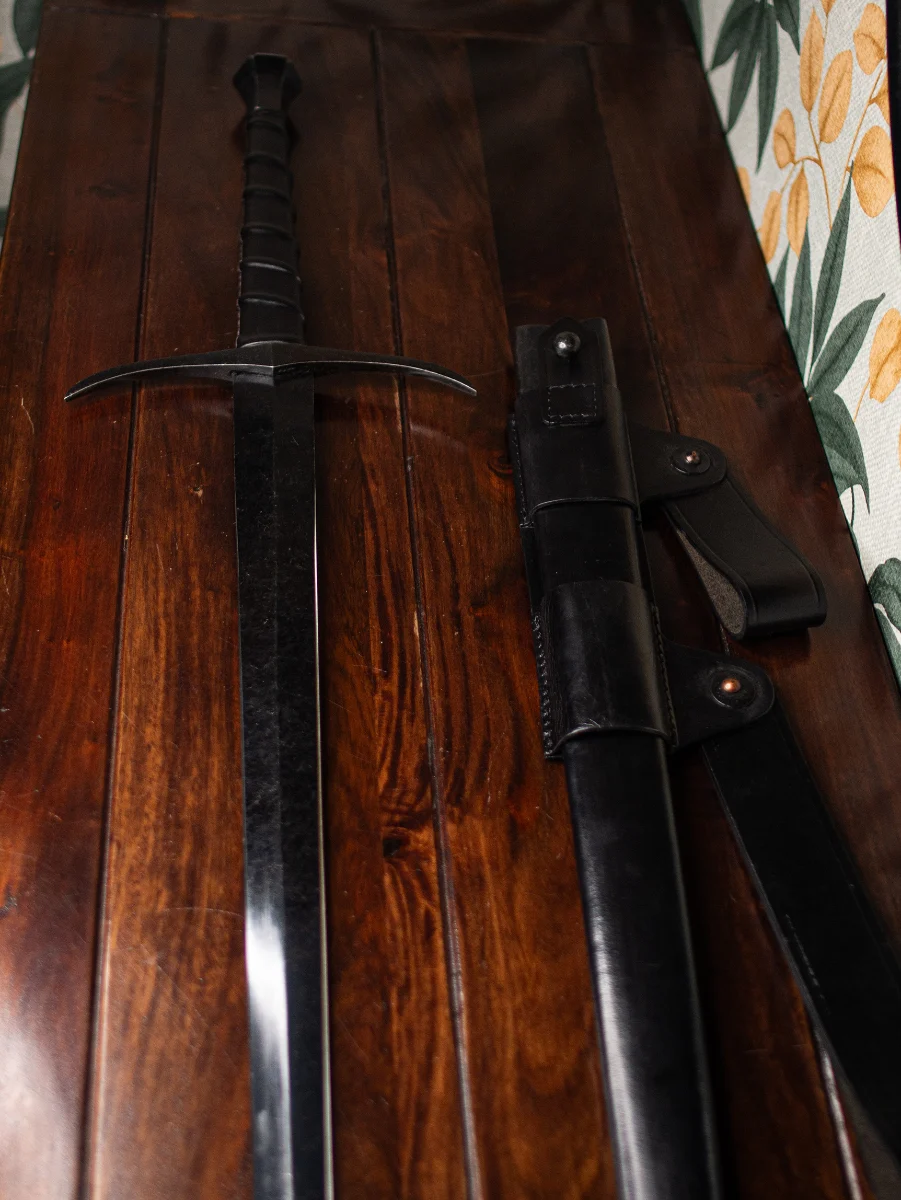
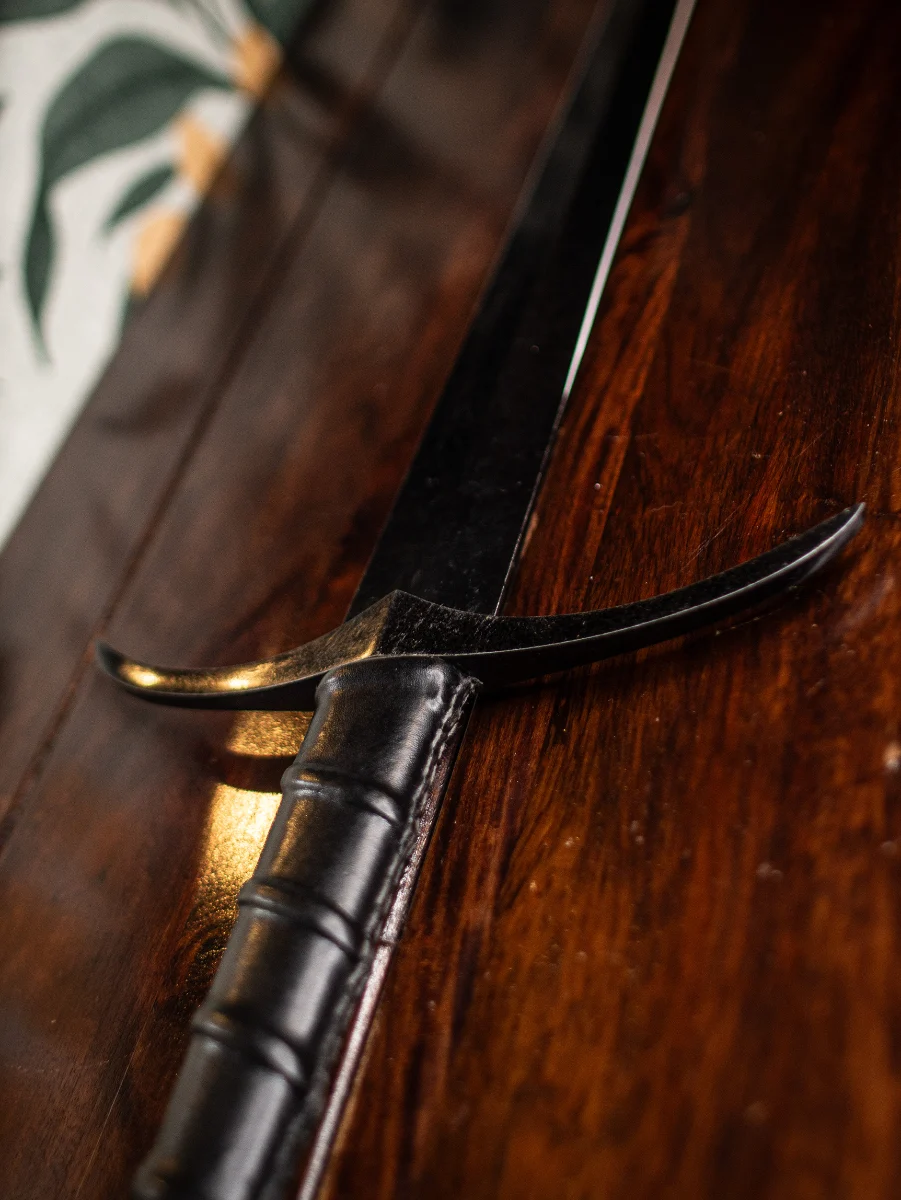
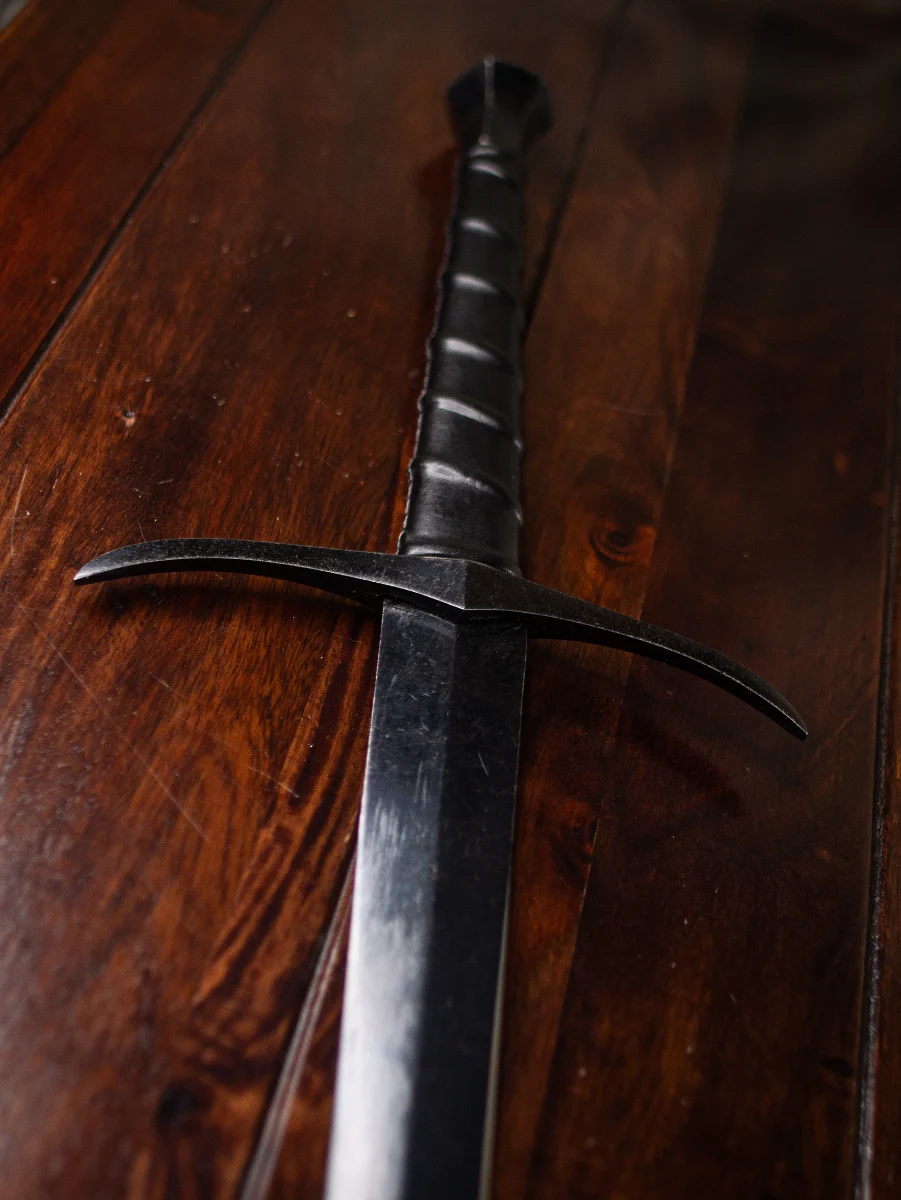
Hand-and-a-half sword, sharp 1065 blade, scabbard included
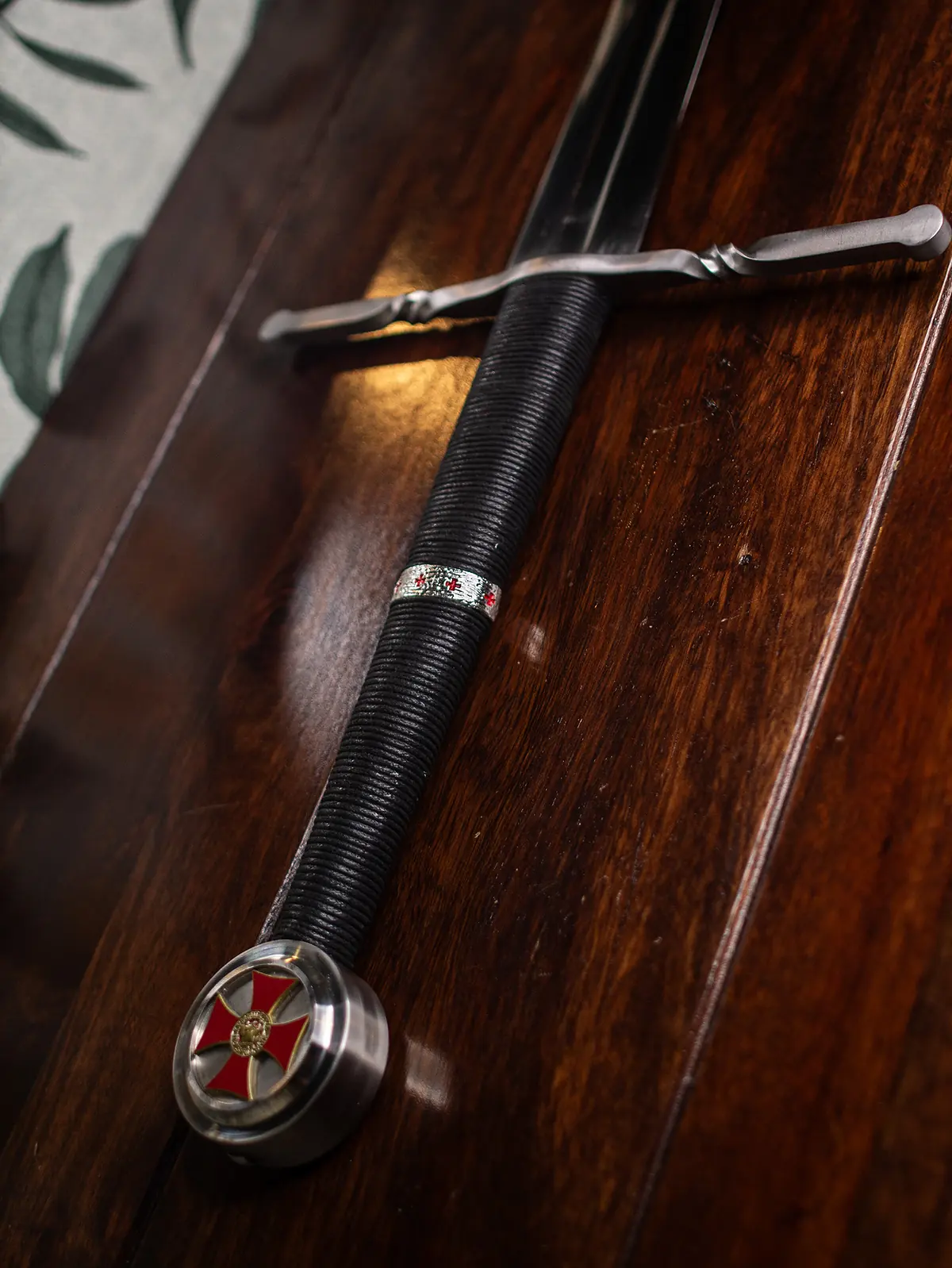
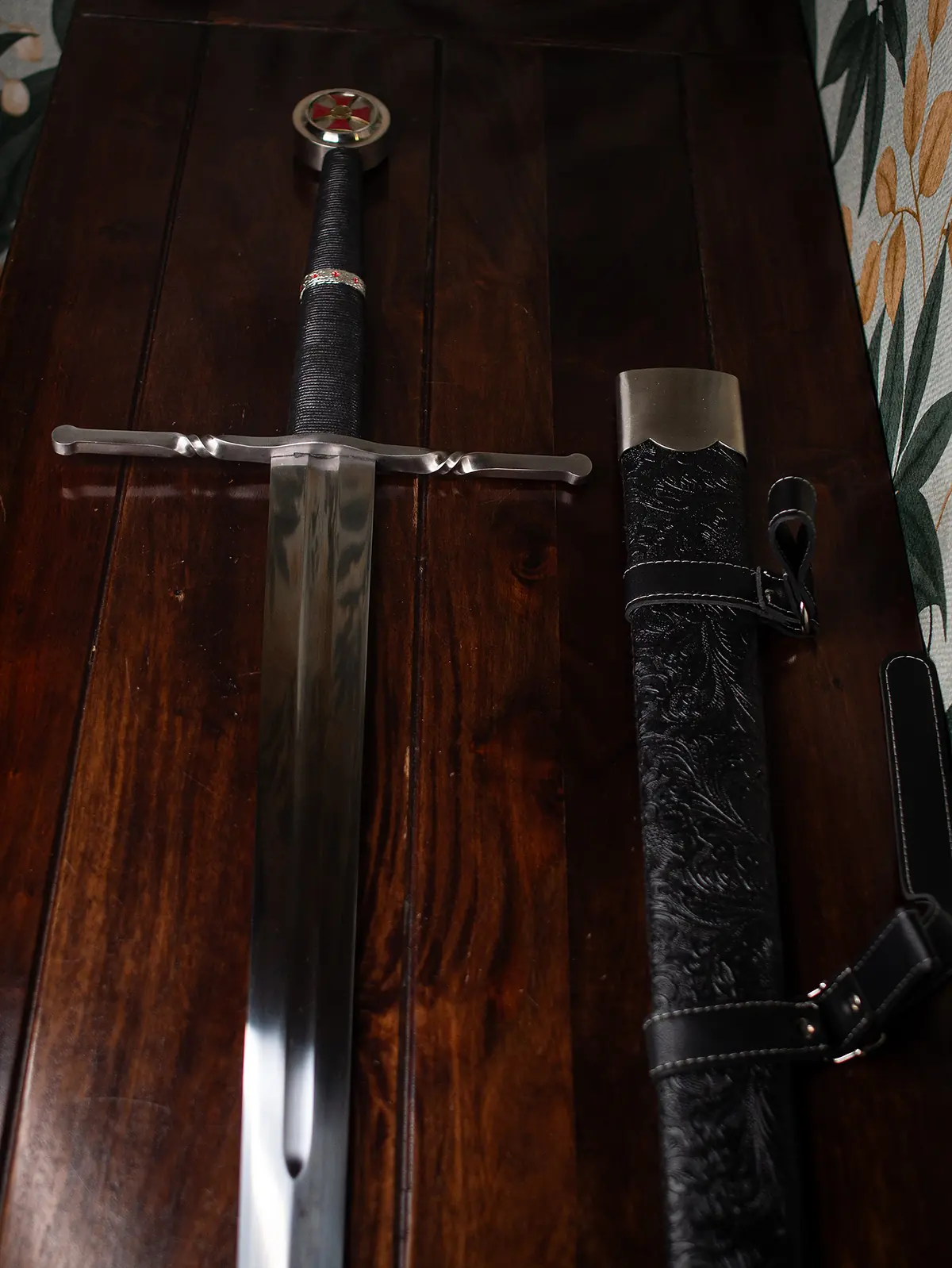
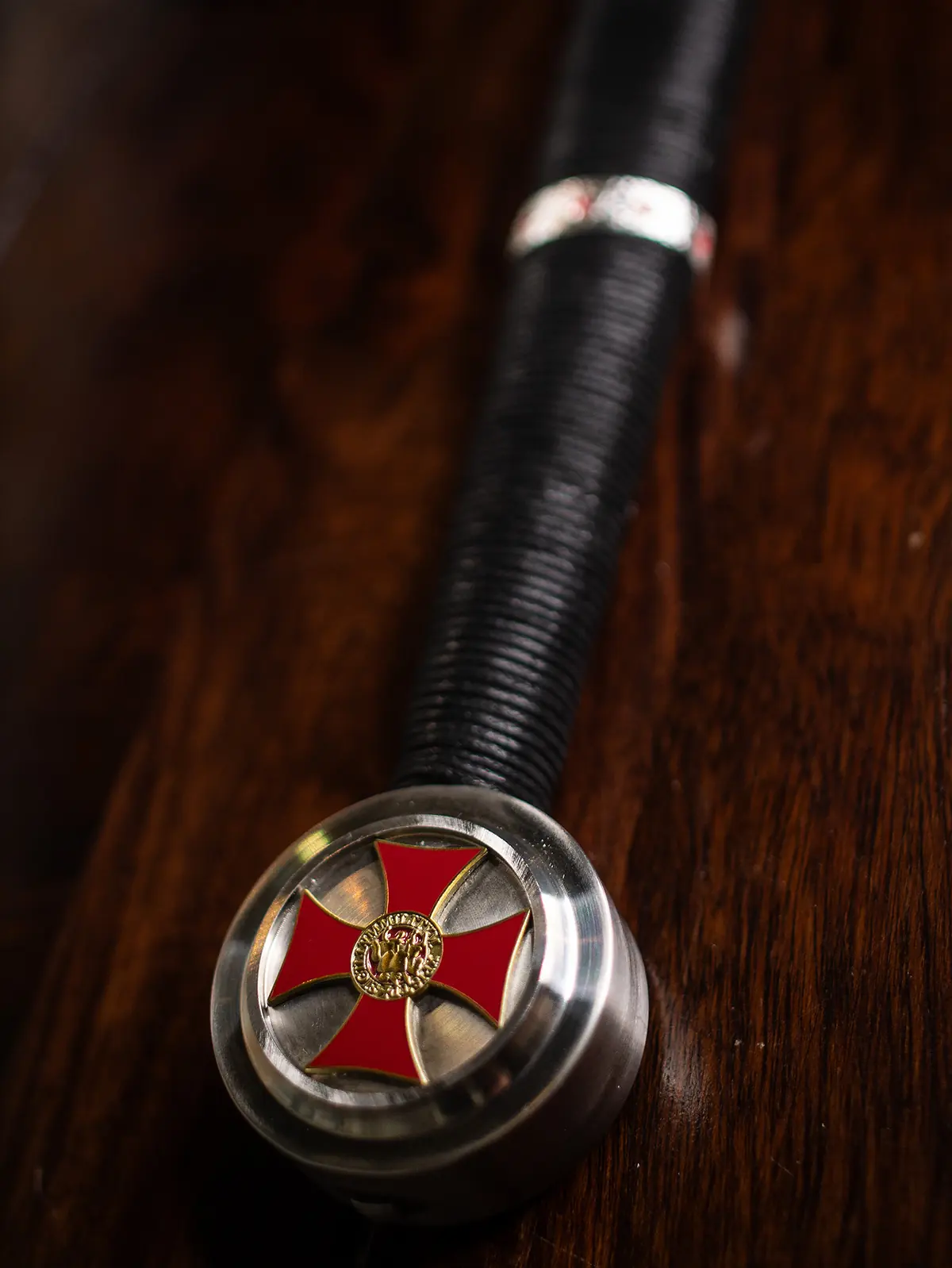
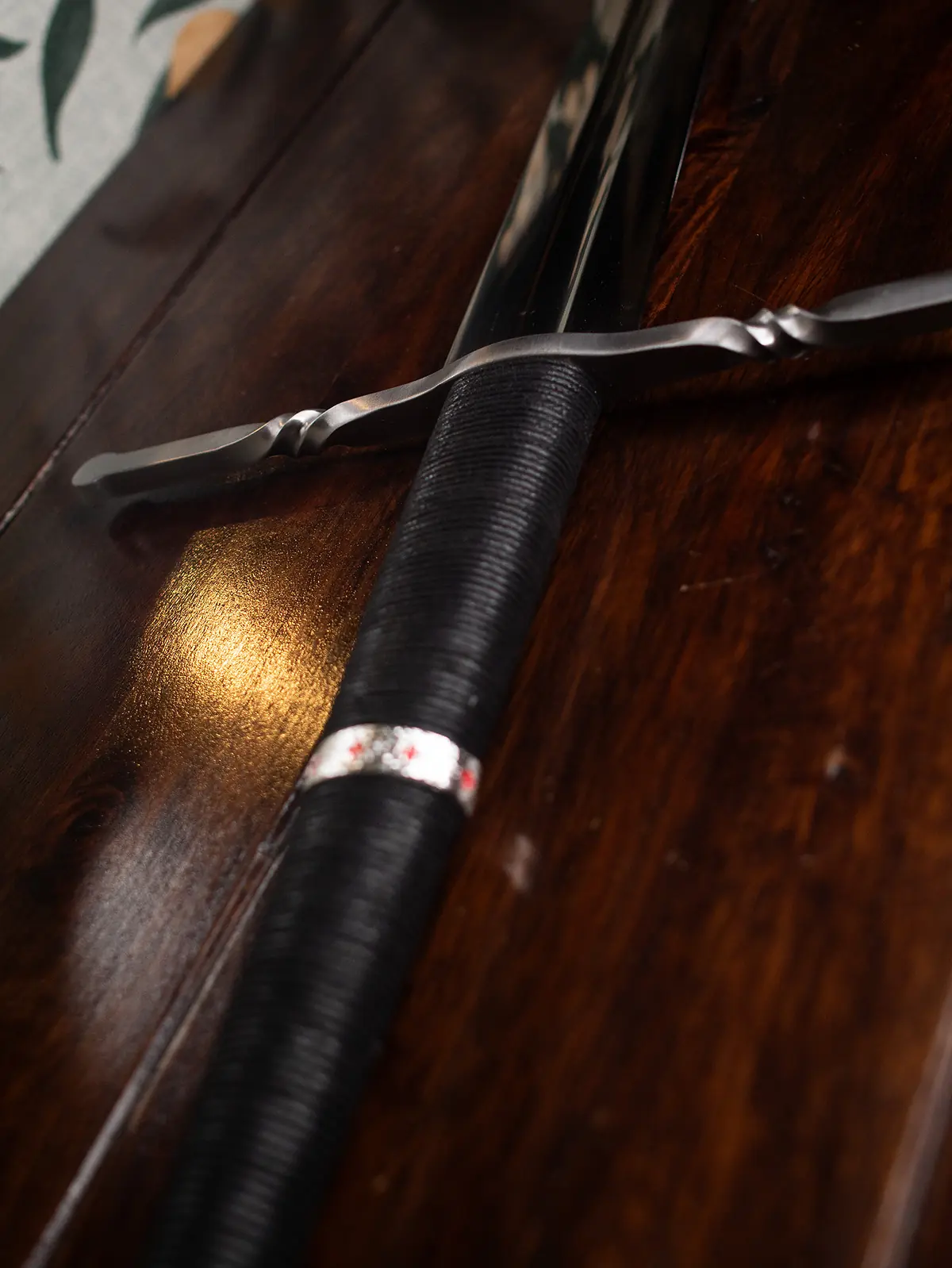
Hand-and-a-half sword in 5160 spring steel, scabbard included
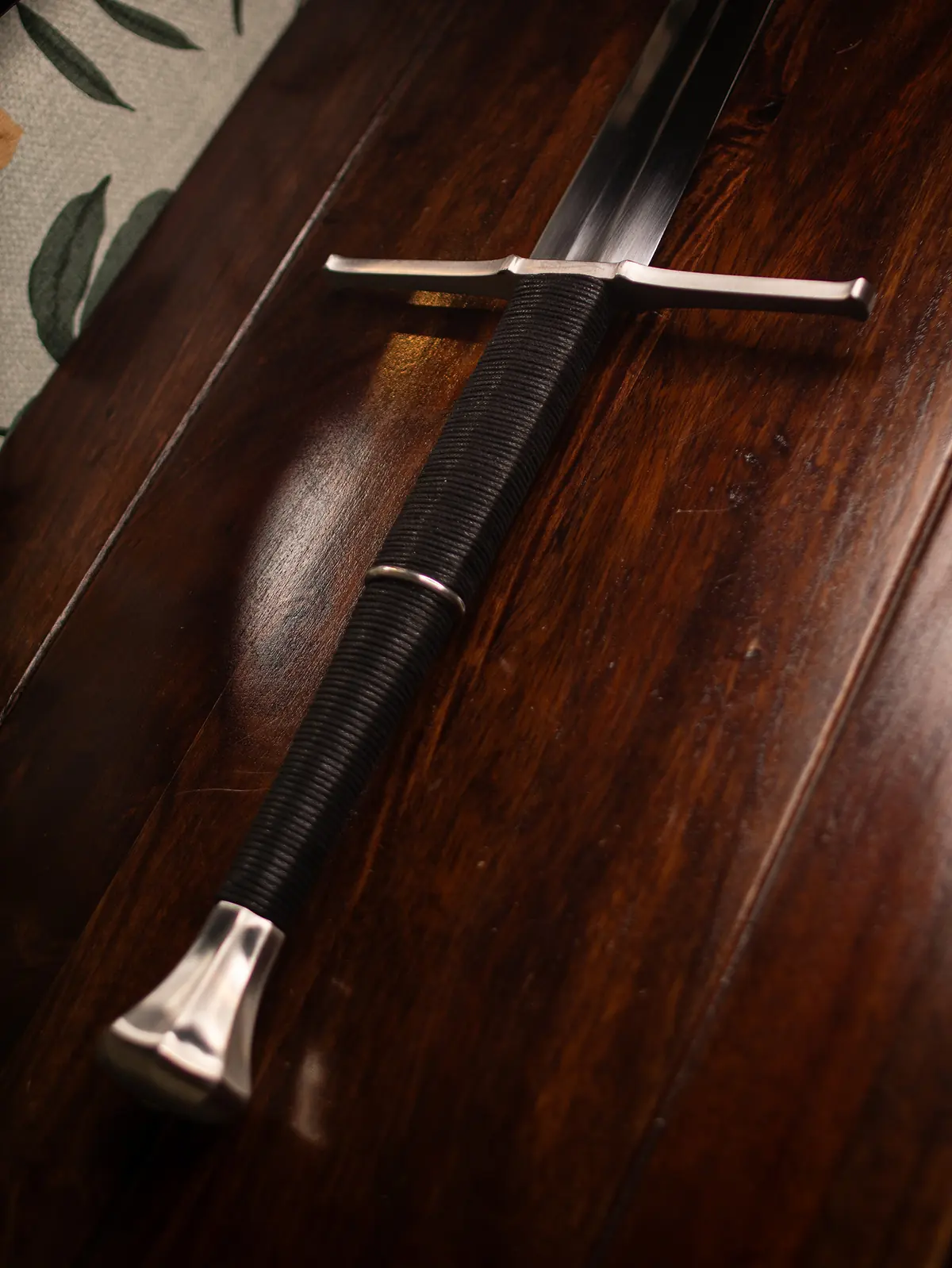
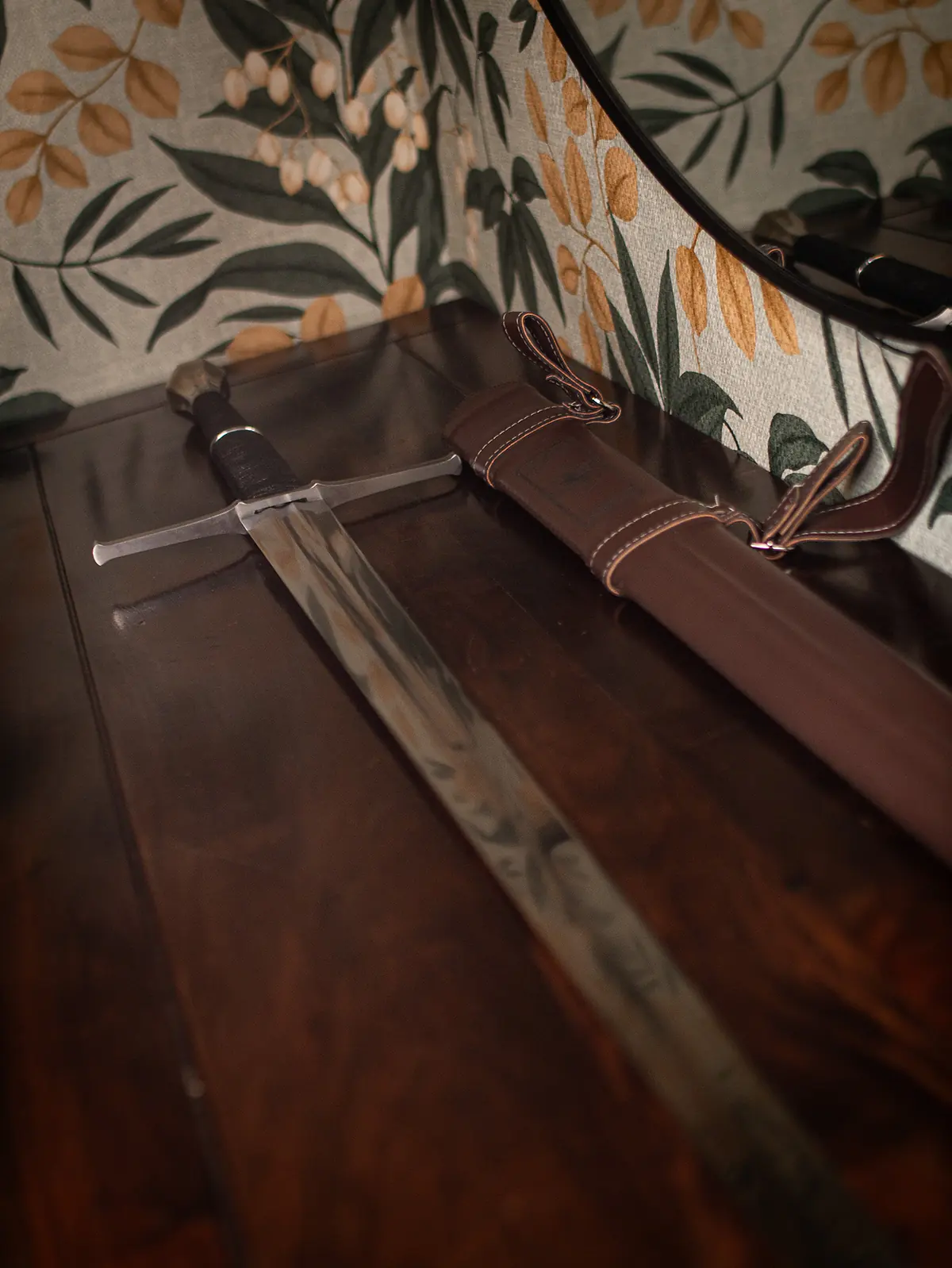
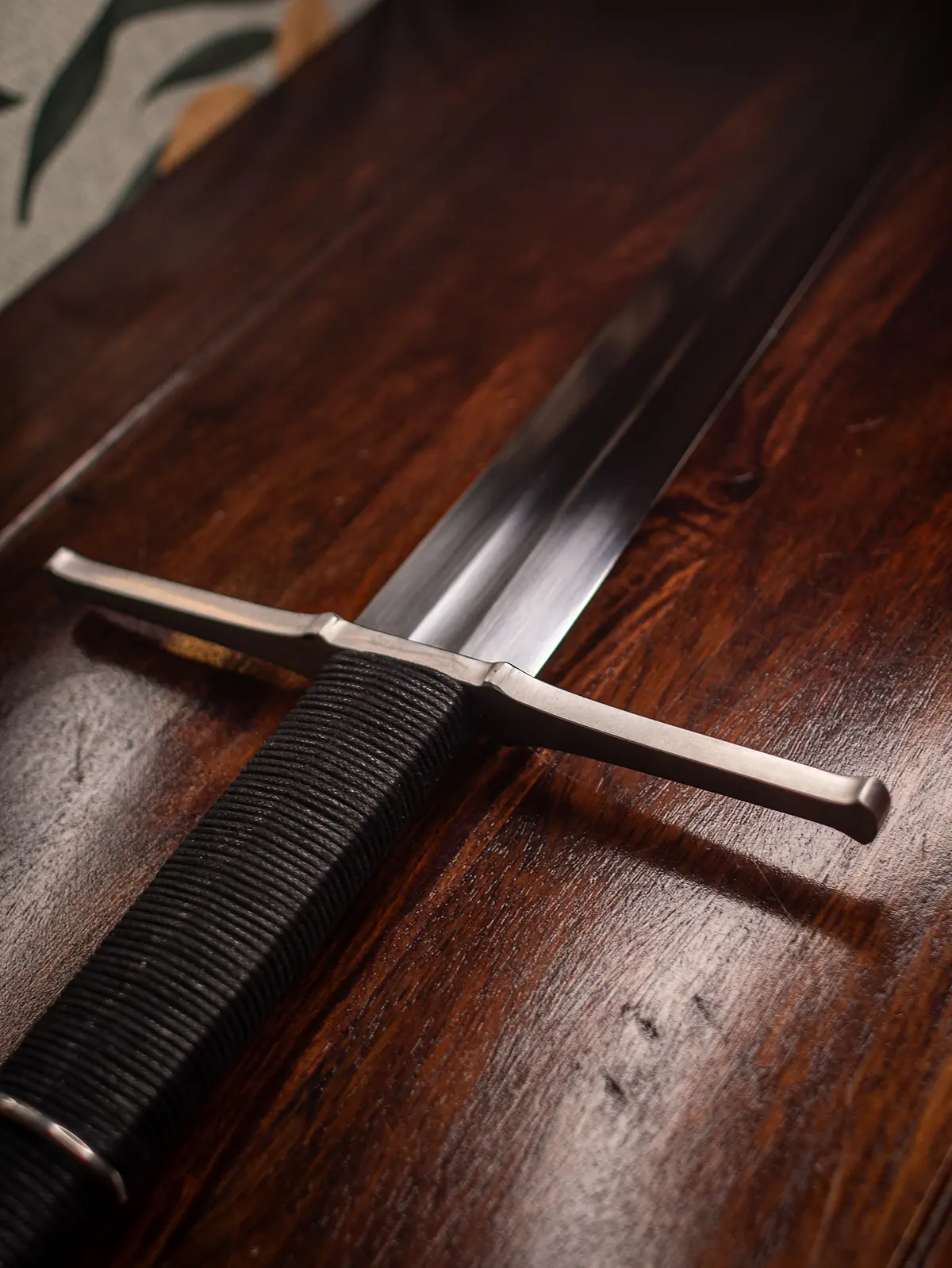
Hand-and-a-half sword in the German style, 5160 steel, scabbard included
Nothing matches these filters.
The all-round knightly sword of the Liechtenauer and Fiore dei Liberi treatises: fluid cuts and stiff thrusts that look for gaps in armour.
All three names describe the same family. 'Longsword' translates the German langes Schwert of the fencing manuals. The bastard sword — épée bâtarde in 15th-century French — was 'born out of wedlock': neither one-handed nor two-handed. Hand-and-a-half says the same thing in the language of the grip: one hand leads, the other adds power.
Some historians keep 'bastard sword' for swords with a shorter grip that still handle well in one hand, and call 'longswords' the ones used mainly with both. We keep them together, because the line is fluid and nobody selling swords respects it anyway.
The longsword developed in the 14th and 15th centuries alongside plate armour. A knight in full plate needed no shield, so his second hand was free. Blades became stiffer and sharply tapered — Oakeshott's types XV and XVIII — because armour had to be beaten with a thrust into a gap. In armoured fighting the second hand even gripped the blade itself, in the half-sword.
This is the era of the treatises by Johannes Liechtenauer and Fiore dei Liberi, on which modern historical European martial arts (HEMA) are built. In them the longsword is a universal weapon: it cuts, thrusts, binds and disarms.
A typical longsword is 115–130 cm long and weighs 1.3–1.8 kg, with the point of balance 7–12 cm from the guard; the closer to the guard, the quicker the sword changes line. Originals of this length usually weighed 1.4–1.6 kg, which is worth remembering with a heavier replica.
A sharp blade is for a collection and for cutting mats. For sparring you need a training sword — a feder: blunt, flexible and with a rounded point.
Only essential cookies — no ads, no tracking. More